After 28 years of filling prescriptions—including thousands for Metformin—I never expected to be on the other side of the counter. When my own bloodwork came back showing an A1C in prediabetic range (5.7–6.4%) and fasting glucose at 118 mg/dL, the diagnosis was clear: prediabetes.
As a pharmacist, I knew the clinical pathway: lifestyle modifications first, medication if numbers don’t improve. I also knew that most patients in my position eventually end up on Metformin. I decided to take a different approach—one grounded in the same evidence-based thinking I apply every day behind the counter.
Why I Avoided Metformin
I’ve seen the toll firsthand. Metformin often brings nausea, diarrhea, fatigue, and B12 depletion leading to neuropathy—issues many patients never escape. Instead, I researched Ceylon cinnamon’s evidence for supporting healthy glucose metabolism.
Ceylon Cinnamon Science
Clinical studies on cinnamon have used a wide range of doses, often between 1 and 6 grams per day. A systematic review of 10 randomized controlled trials found cinnamon was associated with lower fasting plasma glucose, though it did not significantly reduce A1C overall.
A 2025 randomized, placebo-controlled trial on Cinnamomum zeylanicum extract used 1,000 mg/day and reported a significant reduction in fasting blood sugar, with the strongest effect in participants with type 2 diabetes. The trial also reported no significant changes in liver enzymes (AST or ALT), which is reassuring for long-term use.
Ceylon cinnamon is the lower-coumarin variety, which makes it more suitable for regular use than Cassia cinnamon, especially over long periods.
My Protocol
I started with 1,000 mg of Ceylon cinnamon daily—500 mg with breakfast, 500 mg with dinner—alongside structured dietary changes and regular walking. I chose Ceylon specifically because of its negligible coumarin content, making it safe for sustained daily use at therapeutic doses.
Best timing for blood sugar support: take with meals, especially carb-heavy ones, to potentially blunt post-meal spikes. Breakfast and dinner work well; consistency matters more than perfect timing.
Ceylon vs. Cassia: Safety First
Ceylon cinnamon is often preferred over Cassia for people who use cinnamon regularly because it contains much less coumarin, making it the safer choice for long-term use. In clinical research, Ceylon cinnamon extract has also shown a favorable safety profile, including no significant changes in liver enzymes in a recent trial.
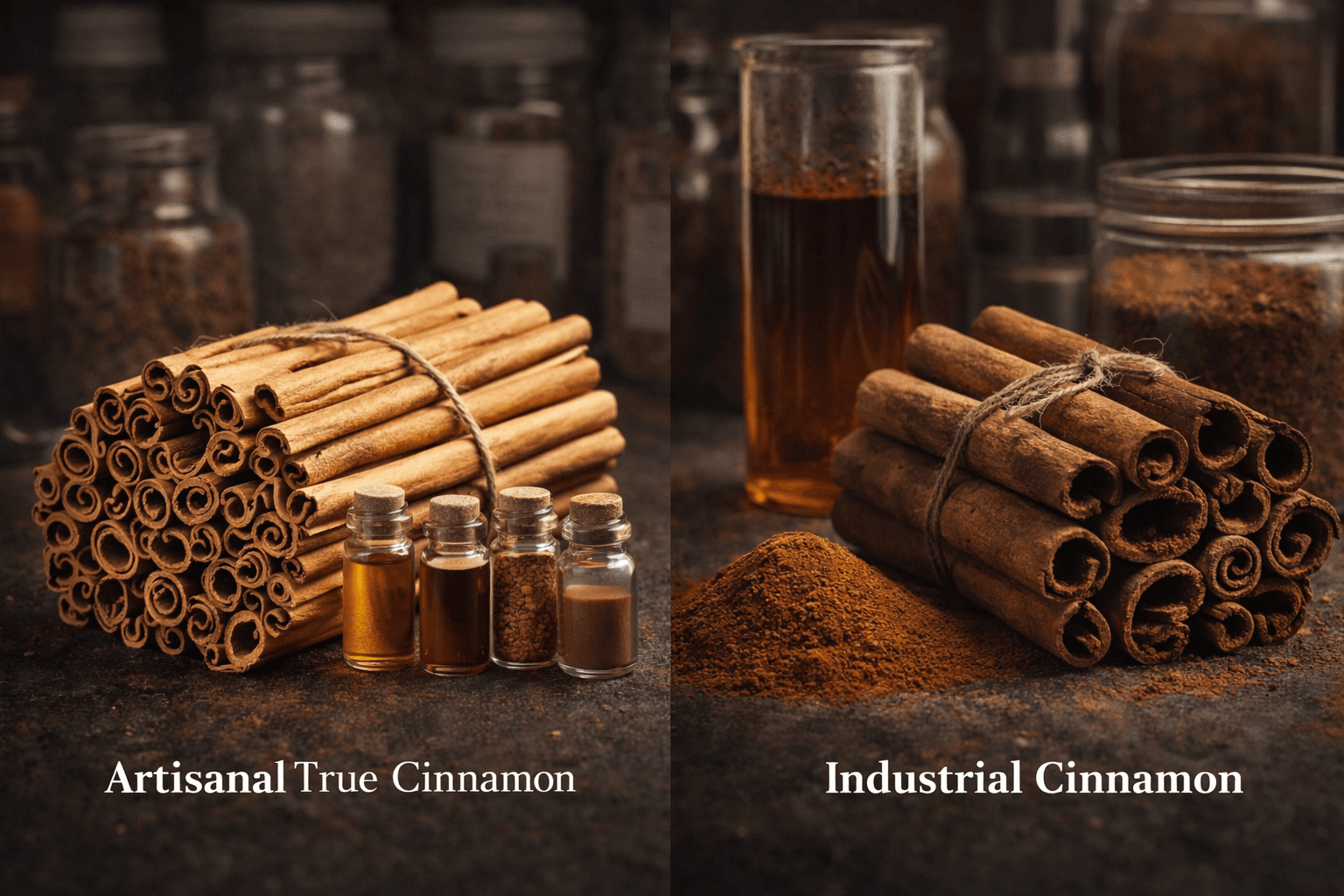
How to tell them apart: Ceylon sticks are composed of multiple thin, papery layers that crumble easily. Cassia sticks are a single thick, hard scroll that resists breaking. In powder form, Ceylon is lighter in color (tan to light brown) while cassia tends toward reddish-dark brown. If the label doesn’t say “Ceylon” or “Cinnamomum verum,” it is almost certainly cassia.
The Results
I started with generic supplements—minimal change. Switched to high-potency Ceylon with a lipid carrier (MCT oil) for better absorption of fat-soluble polyphenols. Paired with lifestyle: walking, balanced carbs, sleep. Four months later: A1C 5.6 (normal range), fasting glucose 91–93 mg/dL.
I am not attributing these results solely to cinnamon. The dietary changes and exercise were essential components. But the published evidence supporting Ceylon cinnamon’s role in glucose metabolism gave me confidence that it was a meaningful addition to the protocol.
A Note of Perspective
This is one person’s experience, not a clinical recommendation. Prediabetes management requires a comprehensive approach that includes dietary modification, physical activity, regular monitoring, and—when indicated—medication. Lifestyle changes are a core part of prediabetes management, and organizations like the CDC and ADA continue to emphasize them as the foundation of prevention and improvement.
Ceylon cinnamon may support healthy blood sugar already within the normal range, and early research suggests it may help with fasting glucose as part of a broader wellness routine. Anyone on diabetes medication or blood thinners should consult their physician before starting any supplemental protocol.
Why Simply Ceylon
True Sri Lankan Ceylon. Transparent sourcing. No fillers. Formulated for absorption. If you’ve tried cinnamon without results, the formulation and species may have been the issue—dry powder in a capsule often fails to deliver the active compounds effectively.
The information presented is for educational purposes only and is not intended to diagnose, treat, cure, or prevent any disease. Always consult a qualified healthcare professional regarding dietary choices and supplementation.